


Content Archive
Year
August 17, 2026
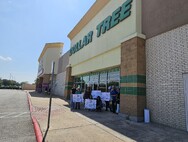
Dollar Tree expands chemical safety policy with new restrictions and greater supplier transparency
This year, Dollar Tree published an expanded Chemical Management Policy that commits to restrict more harmful chemicals in key private-label product categories, including food packaging, children’s products, and formulated products such as beauty, personal care and household cleaning products. “We applaud Dollar Tree’s efforts to eliminate chemicals linked to endocrine disruption, learning disabilities, cancer and reproductive harm from its shelves,” said José Bravo, Coordinator of the Campaign for Healthier Solutions. “Families deserve safe products and healthy food no matter where they shop.”
Read More
July 28, 2026
We're hiring a Network Director!
The Network Director is a key part of the Program Directors team - with the Executive Director, Director of Communications and Research, and the Federal Policy Director - which lead Coming Clean’s Programs Department. The Network Director plays an important role in the leadership of the organization, helping to lead the organization and guide programmatic strategy. The Network Director also oversees the work of Coming Clean’s contracted leadership, teams, initiatives, and campaigns as well as provides oversight for the whole of the Coming Clean Network. The Network Director organizes and manages the network, onboarding new members, tracking membership data, and facilitates collaborative membership spaces.
Read More
July 27, 2026
New community power story: "One Less Polluter in Armourdale"
RiSE4EJ and Coming Clean partnered to tell an inspiring story of community organizing in Kansas City. "One Less Polluter in Armourdale" is a success story about community members standing up to the private-equity-backed Reworld (better known as Covanta) and fighting until the company withdrew its application to operate a new waste processing facility in a neighborhood already overburdened by pollution.
Read More
July 19, 2026
Serious Chemical Accidents Are Rising in the U.S.—and Getting More Dangerous
Chemical accidents killed 48 people in 2025—almost double 2024’s toll—and seriously injured 142, according to a new analysis by the Wall St. Journal of data submitted to the Chemical Safety Board. The Coalition to Prevent Chemical Disasters, which tracks news reports of chemical incidents, counts about twice as many as the CSB between 2021 and 2025, since the CSB doesn’t require reporting of accidents that resulted in just shelter-in-place or evacuation orders, for instance.
Read More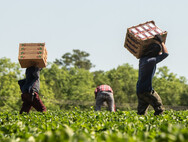
July 2, 2026
EPA Doing Less With Less: slashing science staff; dismissing hazard data; weakening pesticide regulations; compromising health protections
This summer, the U.S. Environmental Protection Agency (EPA) announced that it was expanding its list of “alternative test methods” that could be used to assess the health risks of chemicals, including pesticides, that end up in our air, water and food. Without frameworks in place to prevent backsliding, this will result in weaker health protections from harmful chemicals. Scientists within the Coming Clean network, allied with environmental health professionals and farmworker groups, have been sounding alarm bells about the irresponsible use of NAMs for many years. Now, scientists across our organizations must form a united front against expanded use of NAMs to replace proven science, before more regulatory protections disappear.
Read More
June 25, 2026
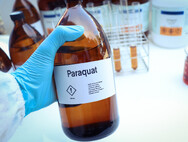
Supreme Court decides to protect pesticide profits over human health
“Today’s Supreme Court decision is more proof that pesticide corporations have too much influence in government. Bayer made over 11 billion dollars from pesticide sales in 2023, and last year alone, spent over 9 million dollars on lobbying for policies that protect pesticide profits instead of basic human health. If you use a product that fails to warn about its ingredients' documented links to cancer, reproductive harm, or neurological conditions, and you develop health complications after using that product, you deserve your day in court. Especially since EPA has approved hundreds of pesticide active ingredients that likely or possibly cause cancer. Congress has the power to protect consumers’ right to sue over pesticide harms. The people have had enough of agrochemical corporate influence in Washington.”
Read More
May 31, 2026
Back-to-Back Chemical Disasters Strike as Trump Seeks to Roll Back Safety Rules
Two major incidents at chemical plants within the past week sent tens of thousands fleeing from their homes in California and left 11 people dead in Washington. But despite a spate of similar incidents over the last year, the Trump Administration is planning to roll back federal regulations designed to prevent similar disasters. Experts and environmental groups have warned that such a move would make chemical accidents far more common. According to the Coalition to Prevent Chemical Disasters—a group of environmental justice, labor, public health, national security, and environmental organizations—at least 215 dangerous chemical incidents occurred in 2025, including fires, explosions, and toxic releases. It says there have been at least 1,446 hazardous chemical incidents in the U.S. since 2021, an average of 5 incidents per week.
May 29, 2026
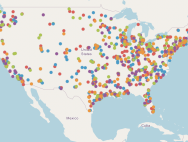
Tragic deaths in Washington, massive evacuation in California show Trump Environmental Protection Agency is failing to keep Americans safe from chemical disasters
“The fatal and shocking incidents communities have faced in recent days demonstrate the urgent need to implement and build on existing regulatory safeguards so communities near chemical facilities are protected from chemical disasters. But, instead of protecting workers and families from death, injury, and illness, Trump’s EPA is putting communities at greater risk of harm by weakening the nation’s primary defense against chemical facility incidents. The Risk Management Program (RMP) protects against catastrophic industrial chemical releases, fires, and explosions through preventative safety measures. The Trump administration is attempting to weaken this rule. Every chemical incident, every life lost, and every evacuation is one too many. Each chemical emergency makes clear the need to strengthen, not dismantle, protections against chemical disasters before more workers, families, and communities are harmed.”
Read More
May 14, 2026
Federal Chemical Safety Board Sends Warning on Trump Disaster Policy
For a year now, the Chemical Safety Board, a small independent agency that investigates chemical spills and other disasters has faced elimination under President Trump’s budget cuts.That hasn’t stopped the board from taking on the Trump administration. The agency is now opposing an attempt to roll back new chemical disaster rules that were introduced under former President Joseph R. Biden and aimed to prevent accidents at thousands of industrial facilities. The Chemical Safety Board has been taking the lead in investigating accidents, including a chemical leak at a plant in West Virginia last month that killed two people. Maya Nye, who grew up about a mile from the plant and whose family was forced to shelter in place as the emergency unfolded, described the accident as one of many over the years across the industrial corridor along the Kanawha River near Charleston, a hub for chemical manufacturing that residents call “Chemical Valley.” “We’ve been kicking and screaming for years calling for improvements, protections under these rules. And now it feels like we’re taking 10 steps back,” said Dr. Nye, who is federal policy director for Coming Clean, a nonprofit organization that advocates for policies to prevent disasters and reduce toxic pollution.
Read More
May 7, 2026
The Trump administration is deleting government data. From infant deaths to hunger, here are 5 ways it’s hurting Americans
Until last year, one of the best ways to find out if you live near one of the roughly 12,000 facilities that store hazardous, cancer-causing chemicals used in manufacturing products like pesticides or medical devices was to go to an EPA webpage for the Risk Management Program (RMP). There you could type in your zip code in a search tool, and see if any of these chemical factories are nearby. (Latino, Black and low-income people are more likely to bear the brunt of chemical pollution; they disproportionately live closer to chemical plants than other groups.) But last April, the Trump administration took down this tool. Now the only way to get this information is to drive to one of several dozen EPA reading rooms across the country to examine paper records. “You have a right to know what’s in your back yard,” said Maya Nye, federal policy director for Coming Clean, a non-profit environmental health collaborative. She said the removal of the tool is particularly concerning because “we haven’t figured out how to prevent chemical disasters and people are still experiencing them”.
Read More
May 1, 2026
This pesticide is so toxic it’s been banned in over 70 countries. But plants in the South are releasing it into the air.
Wayne County, Mississippi, in a quiet southeast corner of the state, is home to about 20,000 people surrounded by forest and farmland. But Wayne distinguishes itself in two ways: it is home to a Sipcam Agro plant that processes the toxic herbicide paraquat. Within the U.S., the plant is the largest single emitter of paraquat. Wayne County also sees high rates of Parkinson’s disease deaths, in the top 7% of all U.S. counties that reported Parkinson’s deaths between 2018 and 2024. Troves of evidence have long linked paraquat to Parkinson’s, the world’s fastest-growing – and incurable – neurodegenerative disease. In March, Syngenta announced it would stop producing paraquat. But Syngenta’s exit doesn’t mean paraquat will stop entering the U.S. Instead, other companies and other facilities – like the one in Wayne County – will fill the gap, likely increasing the amount of paraquat they handle.
Read More
April 14, 2026
Chemical Threats Nearby? Trump’s EPA Doesn’t Want You to Know.
Climate change is making the risk of disastrous chemical accidents more likely. But the EPA wants to gut recently enhanced safety requirements for hazardous facilities. Raschelle Grandison had just walked out her front door to grab something from her car on a chilly March morning in 2019 when she stopped dead in her tracks. Grandison stared in disbelief at what looked like a nuclear mushroom cloud approaching the Houston home she shared with her mother, who ran outside to see what was wrong. They were still watching the giant black cloud hurtling toward their neighborhood from the Houston Ship Channel when the shelter-in-place alerts started blaring. A massive fire had started at a bulk-liquid storage facility run by the Intercontinental Terminals Co. about 5 miles away after a faulty pump released naphtha, a highly flammable hydrocarbon used to make gasoline and plastic, from an 80,000-barrel tank.
Read More
April 7, 2026
U.S. chemical management system must be transformed to prevent harm, argue new policy papers
Two policy papers released today call for an urgent transformation of our approach to hazardous chemicals if we are to prevent further harm to people and the environment. The papers were developed in support of the Louisville Charter for Safer Chemicals, a platform for changing the way chemicals are used, made and regulated, that is endorsed by over 125 organizations. Together the two policy papers set clear recommendations for taking health protective action with available data and information, to overcome weaponized doubt that leads to harmful delays. Read the papers:"Use Scientific Data to Support Health-Protective Policies and Practices"and "Act with Foresight to Protect Health and Prevent Pollution."
Read More
March 27, 2026
Proposed EPA rollbacks would put communities at greater risk for chemical disasters, workers and advocates warn
Workers, lawmakers and environmental advocates gathered this week to speak out against a proposed federal rule that would roll back protections for people who live near hazardous facilities across the country. “This is just the latest example of how this administration will do whatever it can to put industry profit over the health and safety of workers, first responders and communities that allow those companies to exist in the first place,” US Rep. Paul Tonko, a Democrat from New York, said during a March 25 press event on Capitol Hill in Washington, DC. The event was organized by the Coalition to Prevent Chemical Disasters, an alliance of community, environmental, and labor organizations working to strengthen federal regulations to prevent chemical disasters.
Read More
March 11, 2026
Company to Cease Production of Toxic Herbicide Banned in More Than 70 Countries
Multinational agriculture technology company Syngenta announced last Tuesday (March 3) that it will cease global production of the herbicide paraquat by the end of June, including at its facility in Iberville Parish. U.S. farmers commonly use the highly toxic paraquat for weed control. Much of the paraquat used by the farmers enters the country through New Orleans, according to a recent report by Coming Clean, Alianza Nacional de Campesinas and Pesticide Action and Agroecology Network. Along the way, workers at the ports and in the company’s facilities risk exposure to the chemical. A 2017 Environmental Protection Agency memo noted that paraquat is so toxic that “one sip can kill,” and that even minimal contact can cause serious injury to the eyes and skin. Inhaling paraquat can also cause lung damage, according to the U.S. Centers for Disease Control and Prevention. Exposure to the chemical is associated with Parkinson’s disease
Read More
March 5, 2026
Chemical Plants Keep Exploding, but Trump’s EPA Is Rolling Back Safety Rules Anyway
In 2024, the federal Environmental Protection Agency attempted to address the risk of chemical leaks through a rule called the Safer Communities by Chemical Accident Prevention. It promised a modest course correction, requiring dangerous plants to investigate past accidents, plan for climate-fueled disasters, give workers more power to halt unsafe operations, and, in some cases, switch to safer chemicals or processes. But last month, Trump’s EPA proposed gutting most of those safeguards before they ever took effect, moving to strip away requirements for safer technologies, climate and natural disaster planning, third-party safety audits, and strong worker participation in decision making. “For fenceline communities and facility workers, this rollback is a declaration that our lives are deemed acceptable sacrifices,” said Ana Parras, executive director of Texas Environmental Justice Advocacy Services, a group that has worked in several national coalitions around chemical safety.
Read More
March 4, 2026
Facing lawsuits and public outrage, Syngenta will no longer manufacture paraquat
Syngenta announced that it would cease global production of the toxic herbicide paraquat by the end of June 2026, at a time when public awareness of paraquat’s harms is rising. Across the U.S., farmers and farmworkers have shared their stories of developing lifelong health conditions after being exposed to paraquat. Thousands of lawsuits are pending in U.S. courts, alleging Syngenta failed to warn people of paraquat’s documented links to Parkinson’s disease. And bills to ban or restrict paraquat have been introduced in at least twelve states.
“It’s great to hear Syngenta is turning off the tap to a major source of paraquat to the U.S. But SinoChem’s corporate business model hasn’t changed,” said Judith Robinson, Executive Director of Coming Clean. “Its facilities will continue to pollute the air and water from the UK to Cancer Alley. Its pesticides are nearly all derived from fossil fuels that contribute to climate change. If you’re concerned for your health because paraquat has been sprayed on your food for years, you should also be concerned about the many other toxic herbicides that remain and could replace it.”

February 24, 2026
“Disaster Déjà Vu” shows the cost of gutting protections from the nation’s most hazardous facilities
A new analysis and interactive map illustrates the real-world impacts of gutting regulations for the nation’s most hazardous chemical facilities, as recently proposed by the Trump Administration’s Environmental Protection Agency (EPA). Disaster Déjà Vu outlines six Texas facilities with recent histories of back-to-back chemical incidents – including fires, explosions, and worker injuries – that are regulated by the EPA’s Risk Management Program (RMP). New requirements for RMP facilities, intended to make communities safer from the threat of chemical disasters, were finalized under the Biden Administration and were slated to begin going into effect this year, until President Trump’s EPA proposed rollbacks. These rollbacks are “a capitulation to industry demands, at the expense of public safety,” concludes the analysis, co-authored by Coming Clean, the Environmental Justice Health Alliance for Chemical Policy Reform (EJHA), and Texas Environmental Justice Advocacy Services (T.e.j.a.s.).
Read More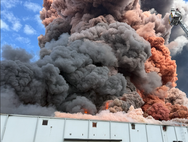
February 19, 2026
Trump’s EPA proposes gutting chemical disaster protections, threatening community health and safety
The U.S. Environmental Protection Agency (EPA) has proposed weaker regulations for the nation’s most hazardous chemical facilities, drawing opposition from community, environmental justice, labor and environmental health groups. “This rollback will cost lives,” said Michele Roberts, National Coordinator of the Environmental Justice Health Alliance for Chemical Policy Reform. “EJHA affiliates refuse to continue to sacrifice their families’ health and safety for the profits of corporate polluters.”
Read More
February 3, 2026
Guest blog: My Father Went to Europe to Fight the Nazis. Now They Are Here in America.
As I continue to watch in rage at the spectacle of masked, fascist paratroopers in the streets of Minneapolis, I am reminded of the famous quote by Mohandas Gandhi:"When I despair, I remember that all through history the way of truth and love have always won. There have been tyrants and murderers, and for a time, they can seem invincible, but in the end, they always fall. Think of it – always”. Guest blog from Gary Cohen, Board Member of Coming Clean and Co-founder of Health Care Without Harm.
Read MoreJanuary 22, 2026
Coming Clean condemns ICE violence, violation of civil rights, and racial profiling
Coming Clean is a national network committed to environmental health and safety for everyone, regardless of race, gender or immigration status. We condemn the ongoing and escalating violence of U.S. Immigration and Customs Enforcement (ICE) officers and agents against civilians. We stand with our members on the ground who exercise their legal rights to live, protest, and document ICE activity in their neighborhoods. ICE’s escalating violence and clear violation of civil rights threatens everyone’s health and safety.
Read More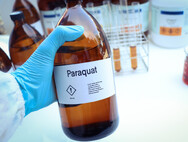
January 14, 2026
“New science” isn’t needed to ban paraquat in the U.S.
“EPA doesn’t need to wait for new science to ban paraquat in the United States. Credible research meeting EPA’s “gold standard” tenets has already been submitted to EPA’s public docket demonstrating that exposure to paraquat causes harm to farmworkers, farmers, and rural communities, and that its continued registration for use poses an unreasonable risk to these communities. Study after study has shown that people who use or are exposed to paraquat are more likely to develop Parkinson’s disease and other adverse health conditions. The evidence of harm is strong enough that over 70 countries have already banned this toxic pesticide from use. Meanwhile, EPA has declined to review this evidence. Now, by suggesting that we need to wait for “accurate new studies [to] reveal additional risk,” EPA is attempting to push the regulatory reset button to buy chemical corporations profiting from paraquat sales more time.
Read More